
How to Hit High Notes Without Cracking: Fix the Setup, Not the Note
Hitting high notes without cracking relies on vocal setup, balance, and coordination—not power. Key factors include smooth passaggio transitions, vowel modification, balanced airflow, and developing mix voice.
Vocal Warm‑Up Piano Chords: Use 5 Minutes to Read Your Voice, Not Just Wake It Up
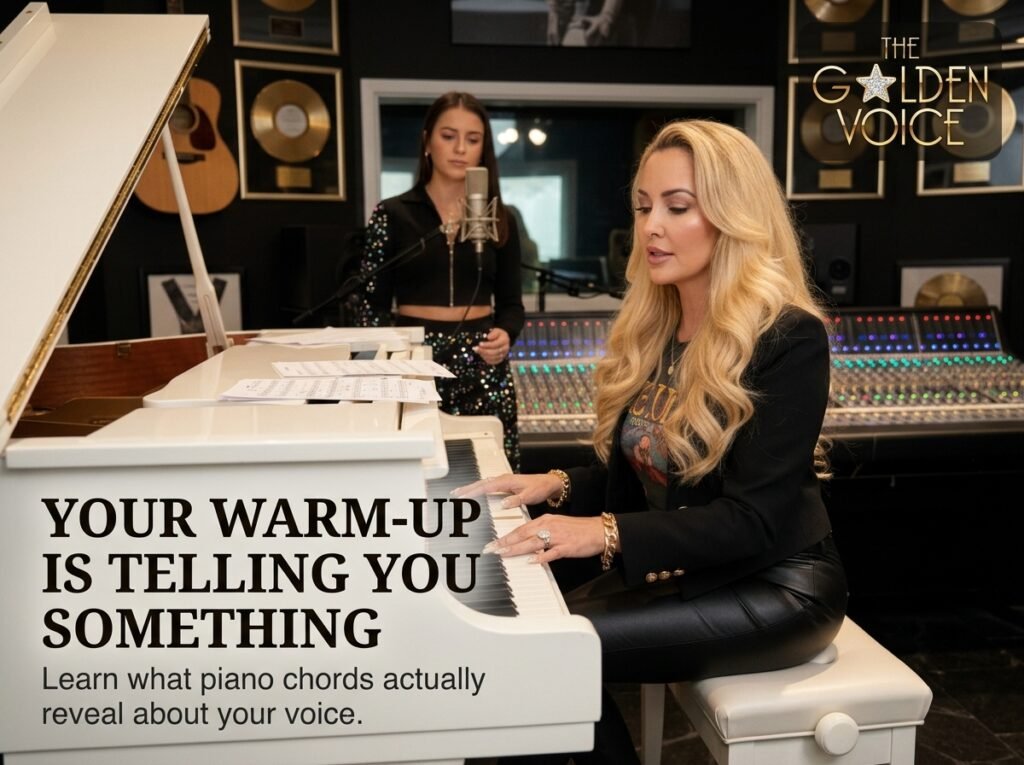
Use piano chords in vocal warm-ups to diagnose vocal coordination, tension, and onset issues. Simple chord patterns reveal vocal cues, enabling tailored, effective warm-up routines for better control.
The First 3 Minutes at the Piano: What Your Warm‑Up Should Reveal

Using the piano in the first 3 minutes of warm-up reveals breath control, tension, range shifts, and vowel tuning, enabling targeted vocal assessment and focused practice for improved singing.
Scales Aren’t Just a Warm Up—They’re Your Daily Diagnostic
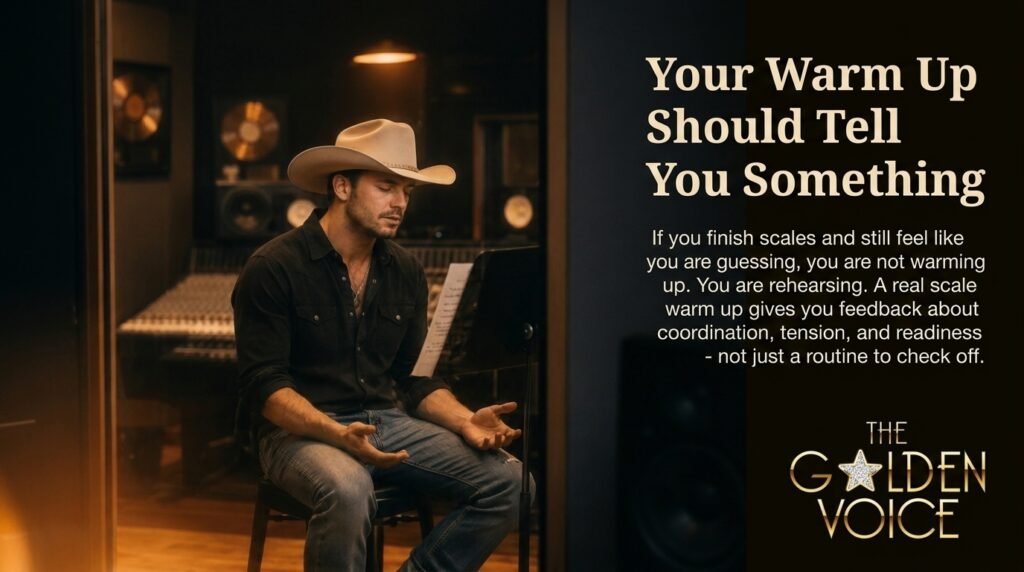
Vocal scales are a daily diagnostic tool revealing tension, coordination, breath flow, and register issues. Listening closely guides targeted exercises, enhancing vocal readiness and performance.
10 Minute Vocal Warm Up: Wake the Voice With Intention
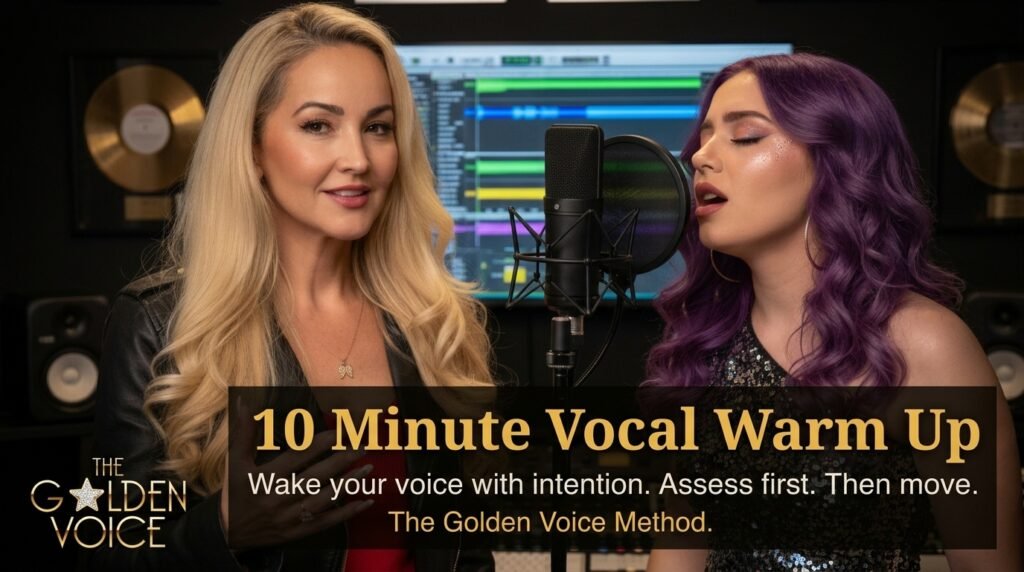
A 10-minute vocal warm-up should start with assessing your voice’s current condition, then use targeted humming, scales, and articulation exercises to build steadiness, ease, and control efficiently.
Fame Doesn’t Fix Technique: Why Great Singers Still Work With Coaches

Fame doesn’t guarantee flawless singing; top artists work with vocal coaches for honest assessment, targeted correction, and personalized plans to maintain vocal health and consistent performance.
How to Sing Better: Build a Practice Plan That Works

Want to know how to sing better? Learn how to build a focused vocal practice plan that improves technique, songs, and confidence.
Why Personalized Vocal Coaching Gets Better Results Than Generic Singing Exercises

Personalized vocal coaching with The Golden Voice Method™ targets your unique vocal issues, offering precise diagnosis and tailored plans for faster, more effective singing progress than generic exercises.
How to Improve Your Singing Voice: Identify the Interference, Then Train with Purpose

Improving your singing voice requires identifying specific vocal interferences like poor breath control or tension, then using targeted exercises and personalized coaching for purposeful, effective progress.
Vocal Warm Up Exercises: Stop Checking the Box and Start Solving Problems
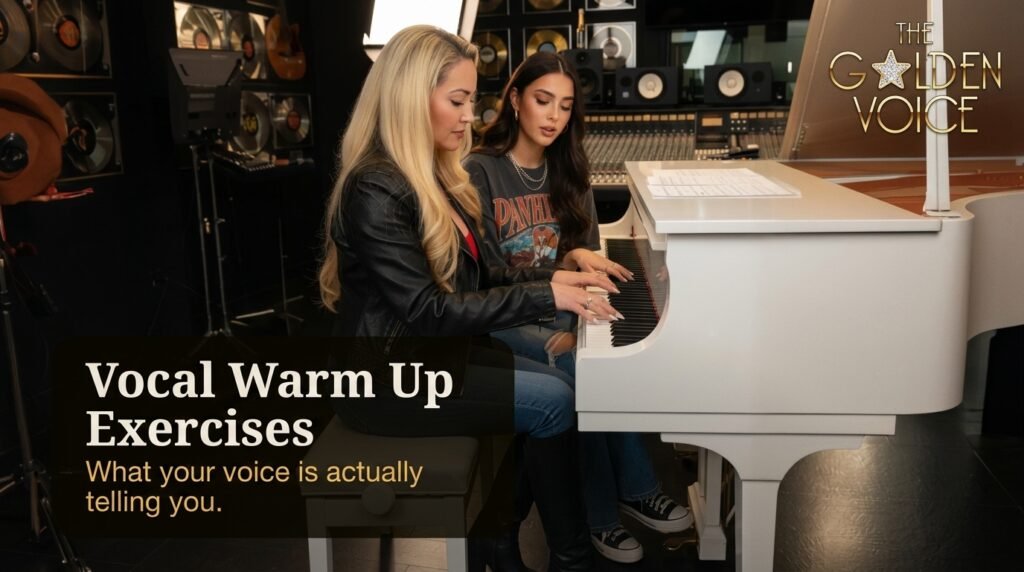
Effective vocal warm ups diagnose coordination issues, guiding targeted exercises to address specific vocal needs, reduce strain, and build a balanced, controlled voice for confident singing.